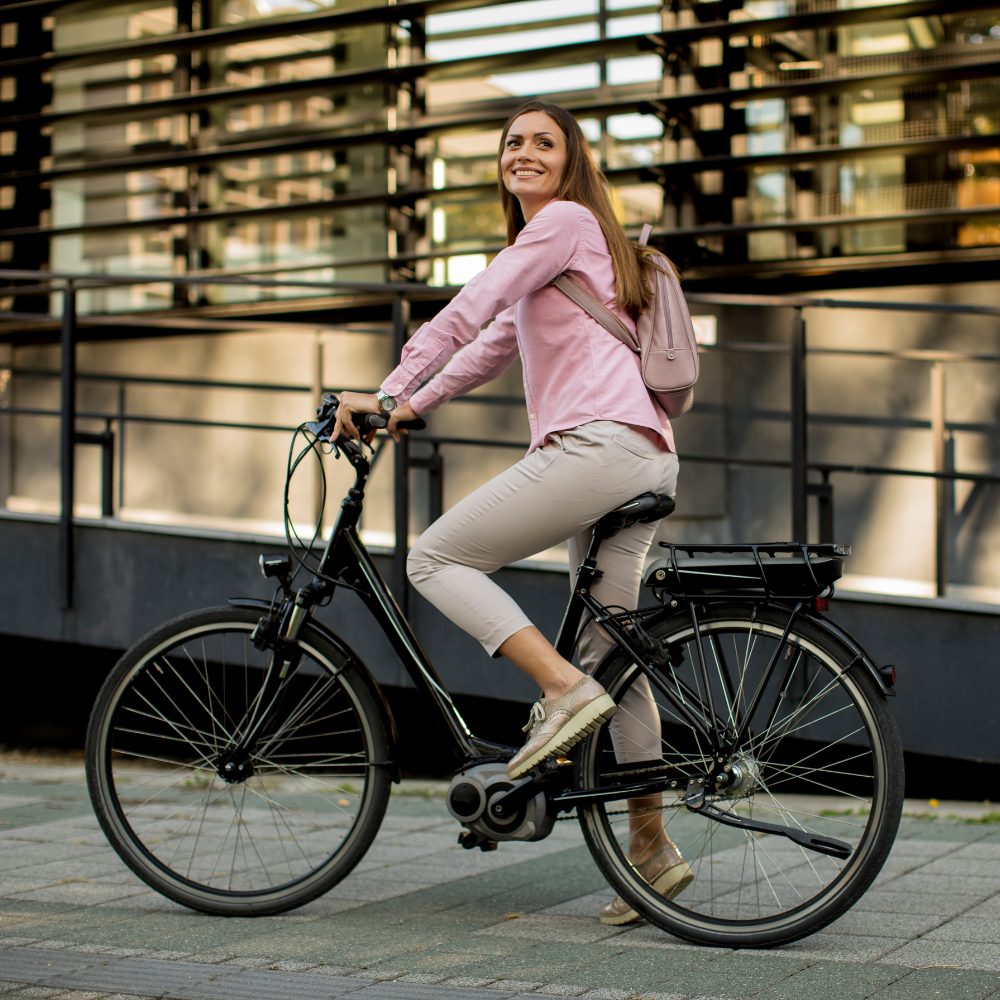
Ride toward a cleaner future!
Reduce your car usage with an affordable, reliable, and energy efficient electric bicycle (e-bike). Keep reading to learn more about the benefits of e-bike ownership.
Ready to ride? Read below for help picking the right e-bike for you!
What is an E-Bike?
An e-bike is a bicycle with an integrated electric motor used to assist propulsion. E-bikes use rechargeable batteries and can typically reach motor-assisted speeds of 16-20 miles per hour. E-bikes can still be pedaled by the rider, so they are not electric motorcycles.
Why Ride an E-Bike?
Choosing Your E-Bike
When selecting an e-bike, there are many factors to consider. You may want to start by asking yourself the following questions:
- Where will you be riding your bike most?
- What features and capabilities are important to you?
- What kind of gear and accessories are necessary for a safe and comfortable ride?
- What laws and regulations apply to your chosen bike?
With these questions in mind, read below to learn about the different kinds of e-bikes available to you!
Types of E-Bikes
Like with regular bicycles, there are a variety of different e-bike types/categories available which specialize in different tasks. An e-bike may fall into more than one category. Below are some of the most common e-bike types:
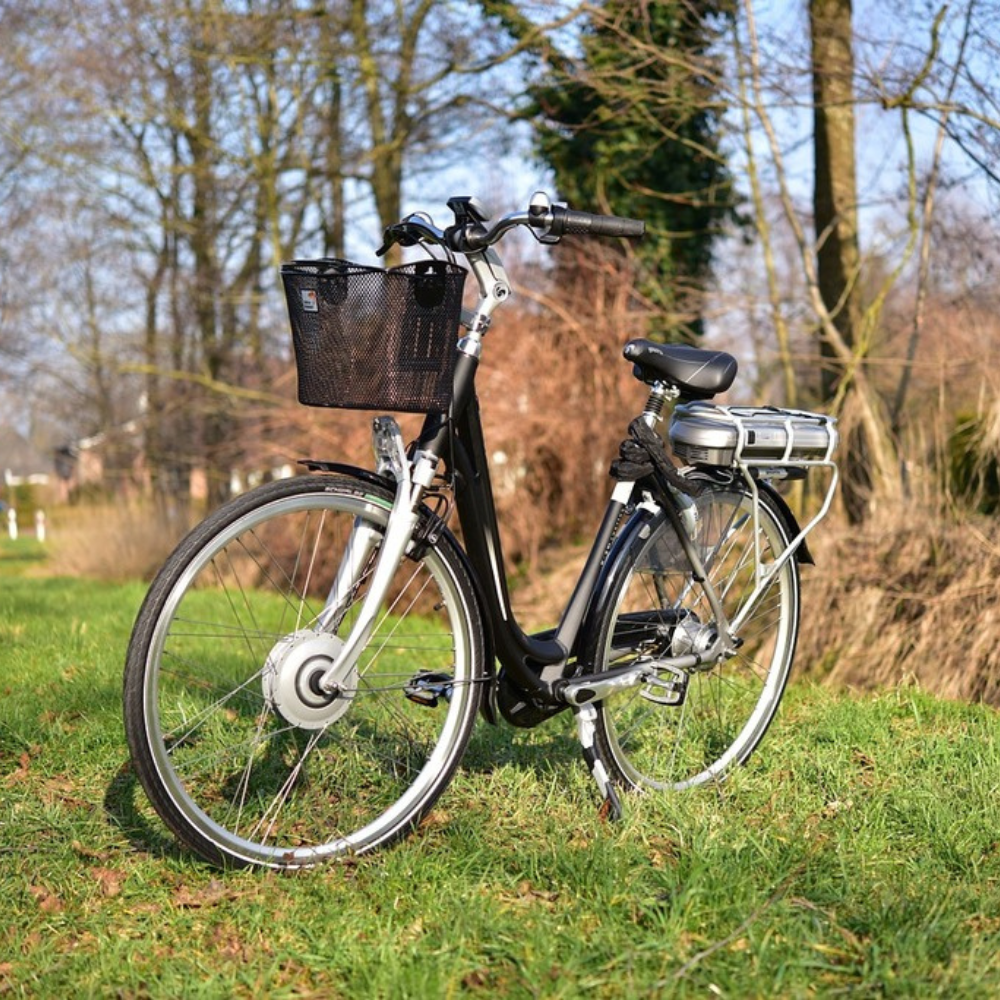
Standard
- Includes most standard road bike varieties
- Best for riding on the road and paved bike paths
- Great for recreational riding and commuting
- Lightweight and easy to maneuver
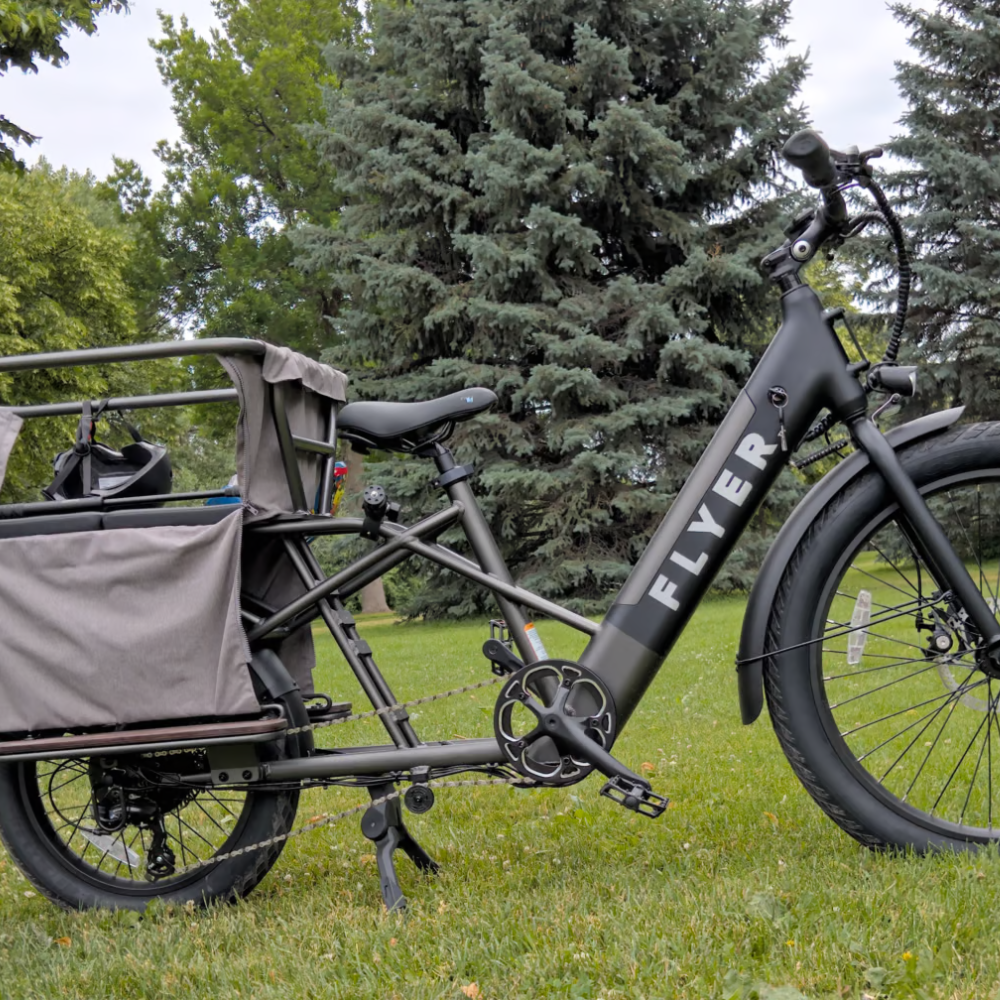
Cargo
- Features a large basket or racks on the front or back of the frame.
- Intended for use on paved surfaces only
- Heavier than a standard e-bike. Features an extended frame.
- Great for picking up groceries and carrying children or small pets
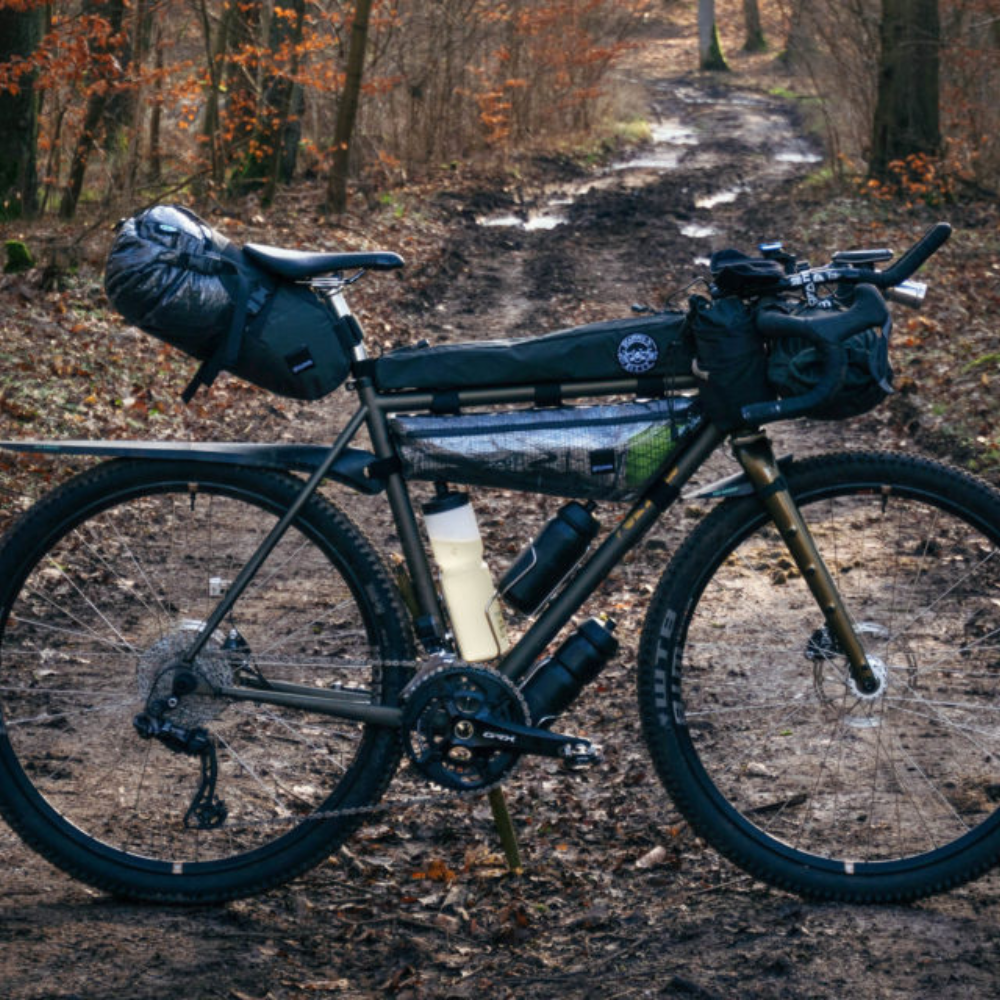
Adventure
- Includes most standard gravel bikes
- Intended for multipurpose use
- Trail use not recommended due to smaller tire circumference and lack of traction compared to mountain e-bikes
- Great for use on the road but can also handle more rough surfaces with ease
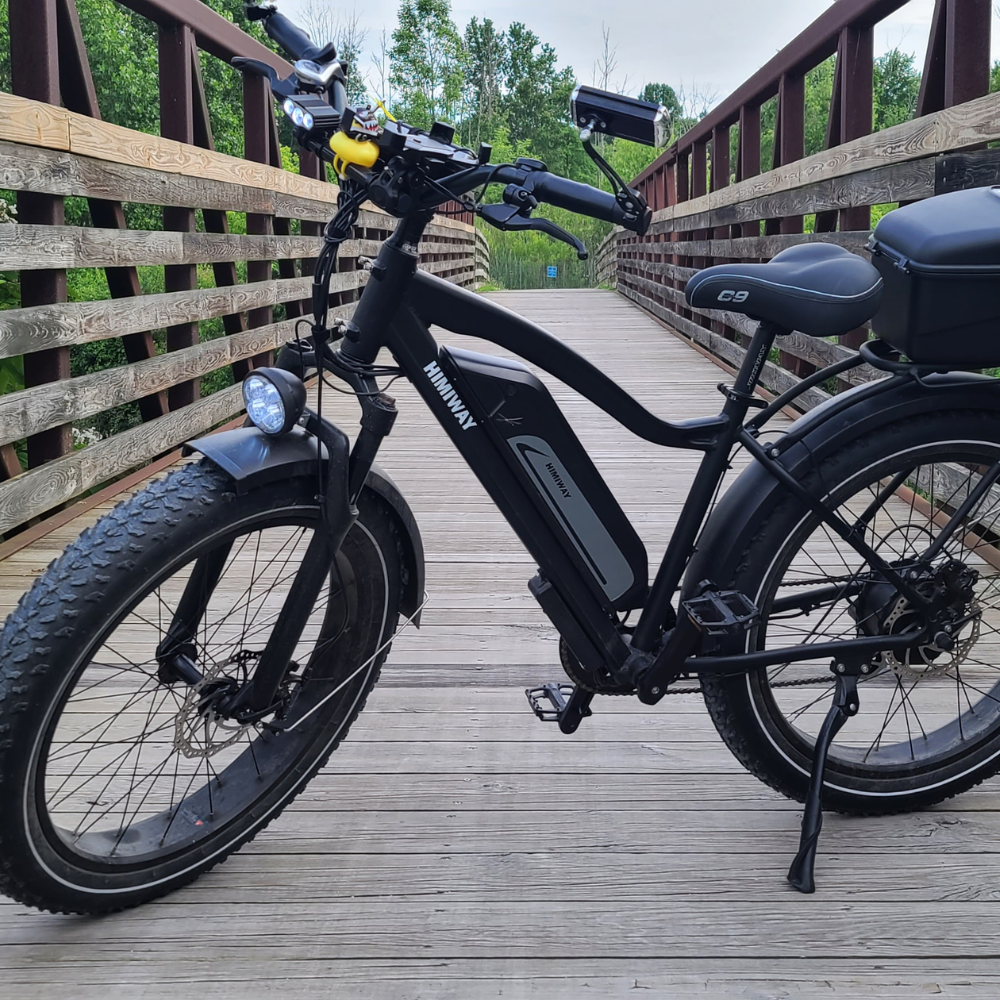
Mountain
- All trail-specialized e-bikes can be used on paved surfaces but will be less energy efficient than a standard or road-specialized e-bike due to heavier weight and larger tire size
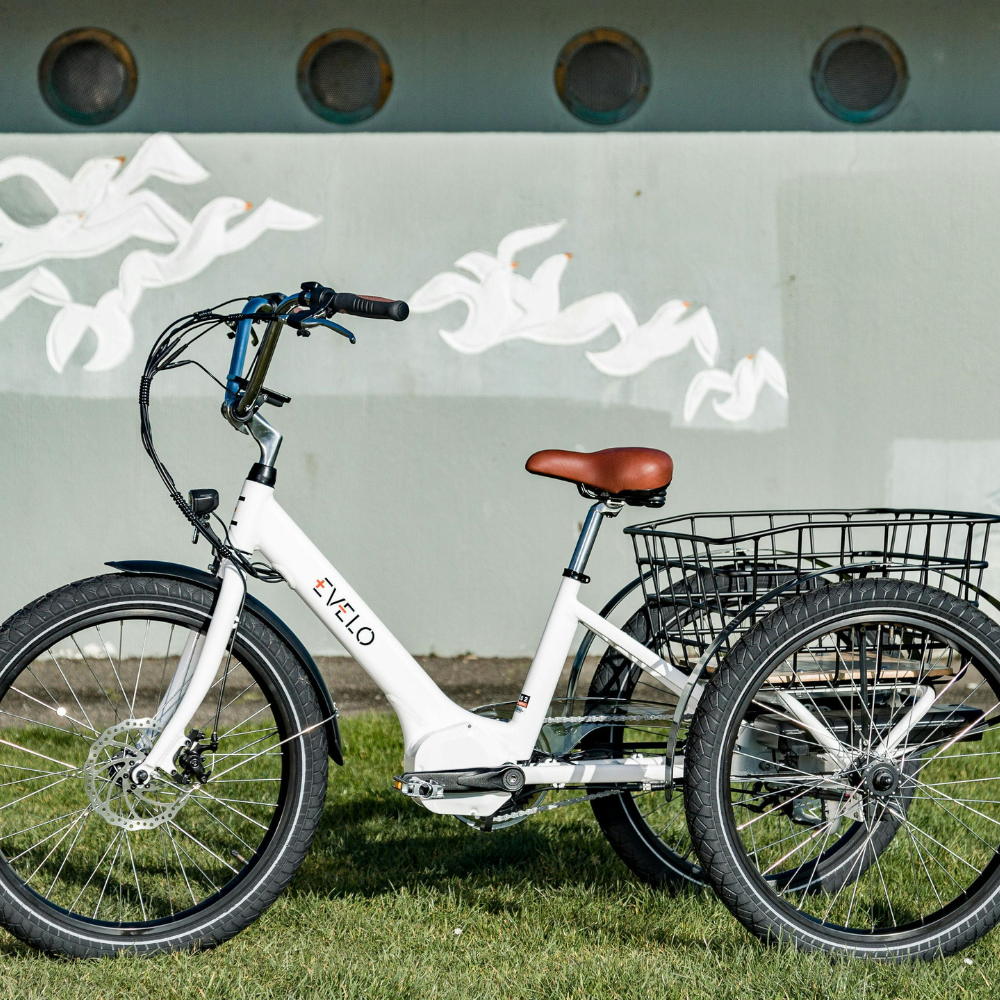
Adaptive
- Come in a variety of shapes and sizes
- Specifically designed e-bikes for riders who are unable to ride a standard e-bike.
- Common varieties include e-tricycles, hand-pedaled e-bikes, and e-bikes with modified seat positioning.
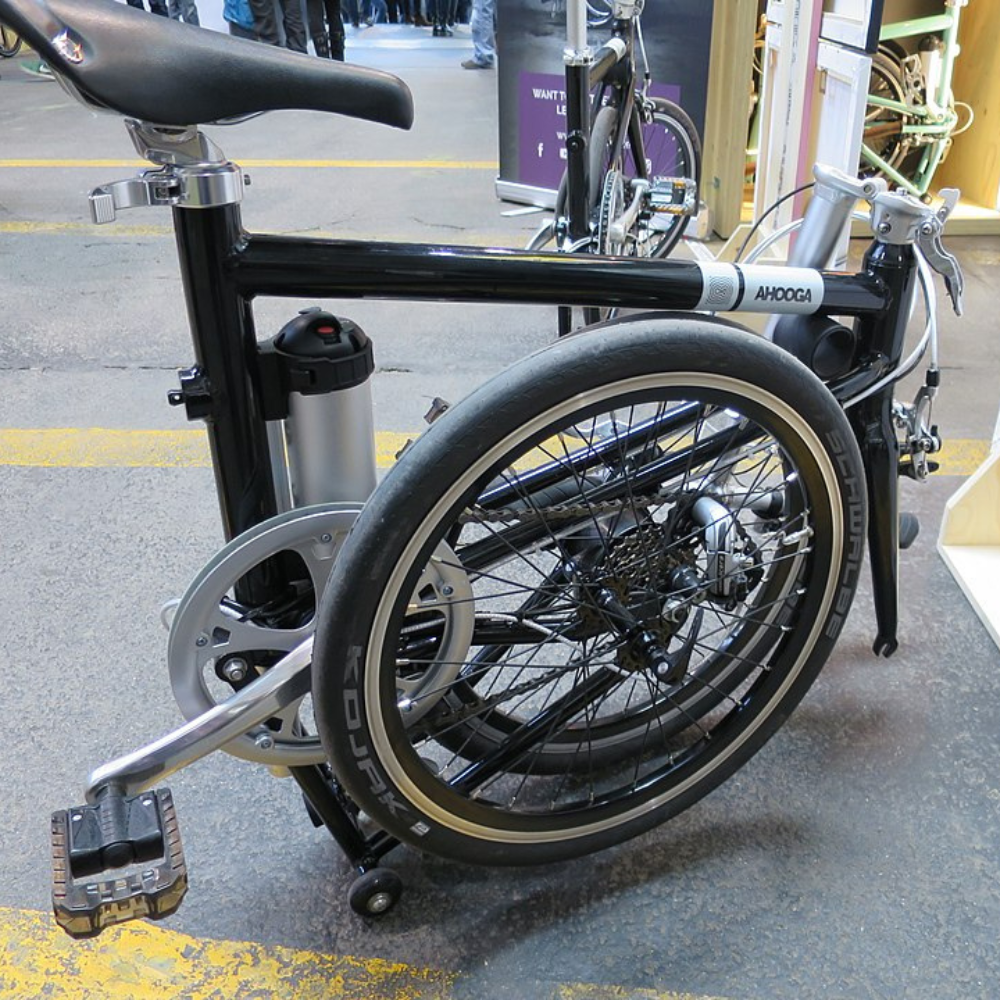
Foldable
- Compact size for easy storage
- Other features vary by model
E-Bike Classes
There are three classes of e-bikes. When shopping for an e-bike, it’s important to understand the differences between each class because they come with different rules and regulations.
| Class 1 | Class 2 | Class 3 | |
|---|---|---|---|
| Pedal Assist | Yes | Yes | Yes |
| Throttle | No | Yes | No |
| Max Speed | Up to 20 MPH | Up to 20 MPH | Up to 28 MPH |
| Motor Power | Up to 750W | Up to 750W | Up to 750W |
| License Required | No | No | No |
| California Regulations | Legal for recreational use on most multi-use trails, bike paths, and bike lanes. | Legal for recreational use on most multi-use trails, bike paths, and bike lanes. | Legal for recreational use on roads and bike lanes only. Must wear a helmet. See area signage for details. |
FAQs
Check out the Choosing Your E-Bike section of this page for leading questions and a breakdown of the different categories and classes of E-bikes. If you need more help, contact our e-bike team by emailing e-bike@redwoodenergy.org.
We recommend checking out this free Electric Bicycle and Safety Training from the California Highway Patrol.